
Exploring the World of Psychoactive Substances: What Every Researcher Should Know
Aug 01, 2026
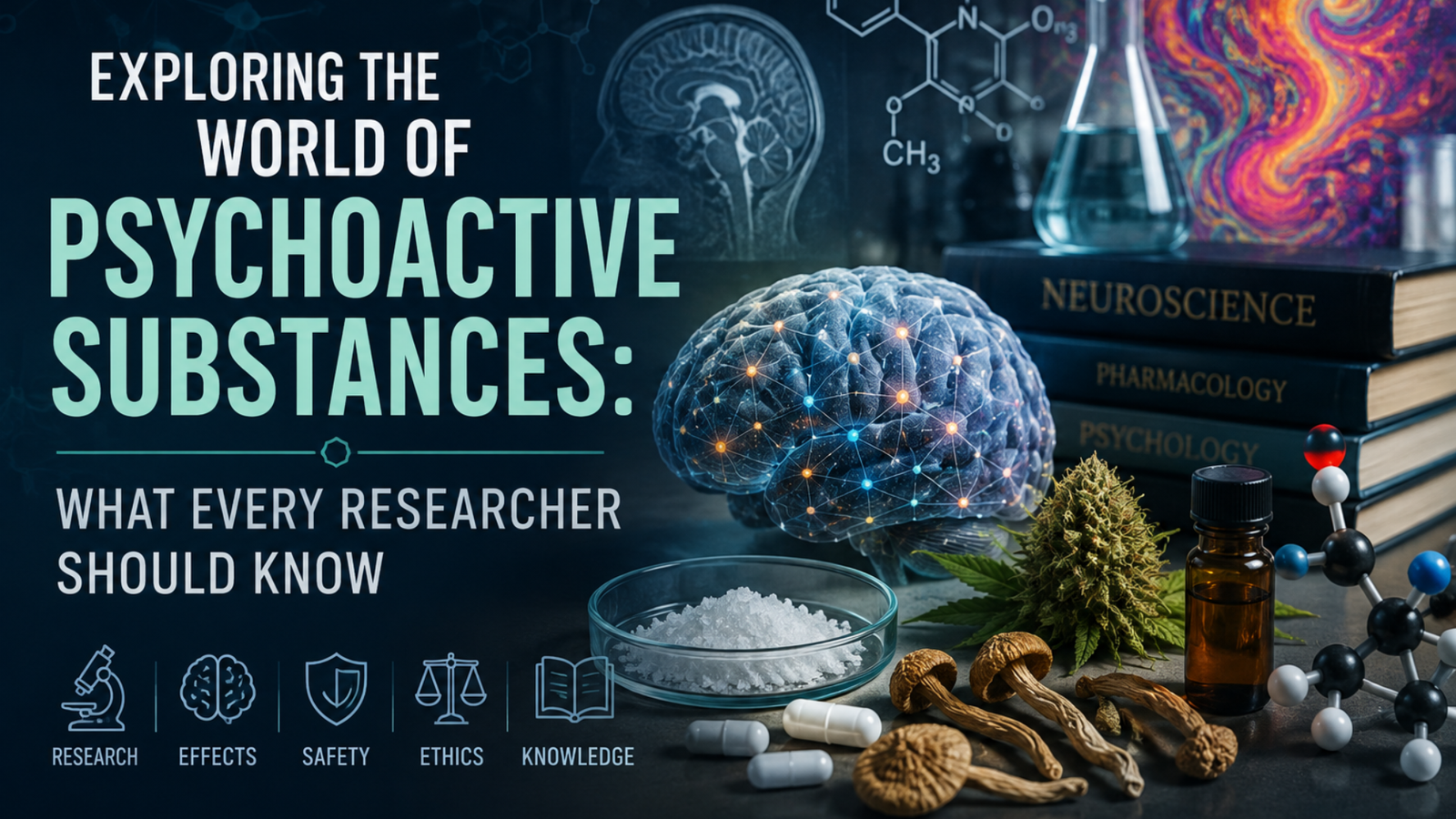
The exploration of psychoactive substances offers a thrilling avenue for scientific discovery, yet it demands a measured approach. Imagine a world where the mysteries of the human mind unfold through the lens of chemical interactions. This journey, while promising, is not without its challenges and intricacies. As researchers delve into the realm of psychoactive substances, understanding the nuances of these compounds becomes paramount. What hidden truths might these chemicals reveal about the brain's deepest workings?
Key Takeaways
Understanding psychoactive substances can provide profound insights into the human mind
Different types of research chemicals offer diverse effects and applications
Safety and precision are crucial when handling and experimenting with these substances
Reliable suppliers are essential for acquiring high-purity research chemicals
Navigating legal and ethical considerations is vital in psychoactive substance research
The Fascinating Realm of Psychoactive Substances
Psychoactive substances hold the key to unlocking new frontiers in neuroscience and psychology. Researchers across the globe are diving headfirst into this fascinating world to gain insights into human consciousness and mental health. The allure of these substances lies in their ability to alter perception, mood, and cognition, presenting both opportunities and challenges for scientific exploration.
Psychoactive drugs, including psychotropic substances such as cannabis and illicit drugs, have captivated scientists for decades. They offer a window into the human brain, revealing how chemical interactions can influence behavior and cognition. The psychedelic effects of these substances have been a subject of intrigue, prompting further investigation into their potential therapeutic applications for mental health disorders.
The study of psychoactive substances is a multidisciplinary endeavor, combining elements of chemistry, biology, and psychology. Researchers are not limited to naturally occurring compounds; they are also exploring synthetic variants that can mimic or enhance the effects of traditional psychoactives. The Drug Policy Alliance and public health organizations play a crucial role in shaping the dialogue around substances of abuse and their impact on society.
Each psychoactive substance presents unique challenges and opportunities for research. The complexity of these compounds demands a deep understanding of neuropharmacology and the mechanisms underlying their effects. As scientists continue to explore both the potential benefits and risks associated with these substances, the field remains ripe for innovation and discovery.
Understanding the Different Types of Research Chemicals
The world of research chemicals is as diverse as it is complex, offering a wealth of possibilities for scientific exploration. Researchers categorize these chemicals based on their structure, effects, and potential applications. This classification helps in predicting their effects and understanding their potential therapeutic uses.
Synthetic cannabinoids and cathinones are among the most popular categories of research chemicals. These compounds, often referred to as new psychoactive substances (NPS), mimic the effects of known psychoactive drugs but may have different safety profiles. The rapid emergence of these substances necessitates ongoing study to assess their impact on human health and behavior.
The synthesis of research chemicals is driven by the quest for novel therapeutic and scientific applications. Chemists are continually developing new compounds, such as novel opioids, benzodiazepines, tryptamines, and phenethylamines, each with its own unique set of properties. Understanding these properties is crucial for predicting their effects and potential applications.
With the continuous introduction of new psychoactive substances, researchers face the challenge of staying up-to-date with the latest developments. The study of synthetic drugs, designer drugs, and their analogs requires a meticulous approach to ensure accurate results. This ever-evolving field demands collaboration and knowledge sharing among scientists to advance our understanding of these compounds.
Key Considerations for Researchers Exploring Novel Substances
When diving into the exploration of novel substances, researchers must prioritize safety and accuracy. The allure of discovery should never overshadow the importance of maintaining rigorous scientific standards. Safety must remain at the forefront of all research involving psychoactive chemicals.
Accurate documentation and analysis are essential when working with these substances. Understanding the chemical structures and pharmacological profiles of drug analogues is critical for obtaining reliable experimental results. Researchers must also familiarize themselves with the risks and safety measures associated with each compound to prevent adverse outcomes.
Dosage and purity levels are paramount in determining the effects of psychoactive substances. Researchers must conduct thorough analyses to ascertain the potency and purity of the chemicals they work with. Staying informed about the latest developments in the field and engaging with experts enhances the quality and scope of research efforts.
Collaboration is key to advancing scientific research. By working together, researchers can share insights, address challenges, and make significant strides in understanding psychoactive substances. The exchange of knowledge and expertise is invaluable in navigating the complexities of this field.
The Science Behind Psychoactive Chemicals and Their Effects
The science of psychoactive chemicals hinges on their interaction with specific receptors in the brain. These interactions can produce a wide range of effects, from altering perception to impacting mood and cognition. Researchers are particularly interested in how these chemicals affect neurotransmitter systems, as this understanding can unlock new therapeutic avenues.
The effects of psychoactive drugs vary significantly based on dosage, environment, and individual differences. This variability necessitates careful study to determine the potential therapeutic uses of these substances. By examining the pharmacokinetics of these chemicals, researchers can better understand their absorption, distribution, metabolism, and excretion.
Scientific research is crucial in explaining the potential benefits and risks of psychoactive substances. By understanding the mechanisms underlying their effects, researchers can identify potential therapeutic applications and mitigate adverse effects. The study of compounds like cannabidiol and cannabinoids has already shown promise in addressing certain mental health conditions.
The exploration of psychoactive chemicals is not without its challenges. Researchers must consider factors such as neurotoxicity, side effects, and individual variability when conducting studies. Despite these challenges, the potential for uncovering new treatment options and improving mental health outcomes makes this field of study immensely valuable.
Safety First: Handling Research Chemicals with Care
When it comes to handling research chemicals, safety should always be your top priority. Proper protective equipment is essential to prevent exposure and potential health risks. Whether you're handling powders, liquids, or gases, using appropriate gear like gloves, goggles, and lab coats is a must.
Safe storage practices are equally important to prevent contamination and degradation of chemicals. Researchers must ensure that chemicals are stored in well-labeled containers, away from incompatible substances, and in conditions that maintain their stability. This not only protects the integrity of the research but also safeguards against accidental exposure.
Accurate labeling of chemicals is another critical aspect of safety in the laboratory. Clear and precise labeling helps avoid dangerous mix-ups and misuse, ensuring that researchers can quickly identify and handle substances appropriately. In addition, proper waste disposal according to established safety protocols is necessary to prevent environmental contamination and protect human health.
Training and education in chemical safety are vital for all laboratory personnel. Researchers must stay informed about the latest safety guidelines and best practices to maintain a safe working environment. Regular safety training sessions and emergency procedure drills are essential components of a comprehensive laboratory safety program.
Identifying Reputable Suppliers for High-Purity Chemicals
Finding a reputable supplier for high-purity research chemicals is crucial for any researcher. Before making a purchase, it's essential to verify the supplier's credentials and reviews to ensure their reliability. A trustworthy supplier will provide detailed information about their products and maintain transparency about their sourcing and quality assurance practices.
Reputable suppliers often offer certificates of analysis to confirm the purity and composition of their chemicals. These documents are invaluable for researchers, as they provide assurance that the chemicals meet the required standards for scientific research. By choosing a supplier with a consistent track record in the industry, researchers can minimize the risk of receiving substandard or contaminated products.
Building a relationship with a trusted supplier is beneficial for researchers who require a steady supply of quality chemicals. Open communication and collaboration with suppliers can lead to better pricing, timely deliveries, and access to new products as they become available. This partnership is especially important for researchers working with niche or hard-to-find chemicals.
The Legal Landscape: Navigating Regulations Around Research Drugs
Understanding the legal landscape surrounding research drugs is vital for conducting ethical and compliant research. Researchers must familiarize themselves with federal and state regulations governing psychoactive substances to ensure their work adheres to legal and ethical standards. Compliance with these regulations is not only a legal obligation but also a cornerstone of responsible research practices.
Regulations around psychoactive substances can vary significantly between jurisdictions, impacting research planning and execution. Researchers should stay informed about changes in legislation that may affect their work, whether it's related to banned substances, controlled substances, or import/export controls. Legal guidance from experts can be invaluable in navigating the complex regulatory environments associated with research drugs.
By staying informed about policy updates and engaging with regulatory agencies, researchers can better understand the implications of their work and avoid potential legal challenges. Collaborative efforts with advocacy groups and policymakers can also contribute to shaping drug policies that balance scientific exploration with public safety considerations.
Potential Risks and Ethical Concerns in Psychoactive Substance Research
Conducting research on psychoactive substances presents unique risks and ethical considerations. Researchers must carefully evaluate the potential for misuse and abuse of these substances, as well as the health risks they may pose to participants. Ensuring informed consent and transparency with research participants is critical for maintaining research integrity and upholding ethical standards.
Ethical research practices also require rigorous safety assessments to protect participants from adverse effects. Researchers should work closely with ethics committees and institutional review boards to address any potential ethical concerns and ensure compliance with ethical guidelines. This collaboration helps safeguard the well-being of participants and promotes responsible research practices.
Additionally, researchers must consider the societal implications of their work on psychoactive substances. Understanding the broader impact of their findings on public health and policy can guide researchers in conducting studies that contribute positively to society. Addressing potential conflicts of interest, data security, and privacy concerns is essential for maintaining public trust and research credibility.
Tips for Safely Purchasing Research Chemicals Online
Purchasing research chemicals online requires careful consideration and attention to detail. Verifying the legitimacy of online chemical suppliers is the first step in ensuring a safe transaction. Researchers should look for suppliers with positive online reviews, transparent product information, and a strong reputation in the industry.
Secure payment methods are essential to protect against fraud when buying chemicals online. Researchers should choose suppliers that offer secure transactions and provide payment options that safeguard personal and financial information. Additionally, requesting detailed product information and quality assurance documents can help verify the authenticity and purity of the chemicals being purchased.
Shipping and handling procedures must comply with safety and legal standards to ensure the safe delivery of research chemicals. Researchers should confirm that suppliers adhere to packaging and shipping regulations and offer delivery tracking to monitor the shipment's progress. Continuous communication with suppliers can help address any issues that arise during the purchasing process, ensuring a smooth and reliable transaction.
In conclusion, the exploration of psychoactive substances offers a wealth of opportunities for scientific discovery. However, researchers must approach this field with caution, prioritizing safety, accuracy, and ethical considerations. By understanding the intricacies of research chemicals, identifying reputable suppliers, and navigating the legal landscape, researchers can contribute to advancing our understanding of the human mind and its complexities. What new insights might the continued study of psychoactive substances reveal about the intricacies of human consciousness?
Frequently Asked Questions
What are the 4 categories of new psychoactive substances?
New psychoactive substances (NPS) are often grouped into four categories based on their chemical and pharmacological properties. These categories include stimulants, which increase alertness and energy; cannabinoids, mimicking the effects of cannabis; hallucinogens, which alter perception and mood; and depressants, which slow down the function of the central nervous system. Each category offers distinct effects and potential risks, making it crucial for researchers to understand these differences when studying NPS.
What are examples of NPS drugs?
NPS drugs come in various forms, with some gaining more attention due to their prevalence and effects. Examples include synthetic cannabinoids like Spice or K2, synthetic cathinones often referred to as "bath salts," and phenethylamines like NBOMe compounds. These substances can vary significantly in potency and risk, making it essential for researchers to stay informed about the latest trends and developments in NPS.
What are the 5 types of psychoactive substances?
Psychoactive substances are typically divided into five main types. These include stimulants, which boost energy and concentration; depressants, which provide calming effects; opioids, known for pain relief and euphoria; hallucinogens, which cause altered perceptions; and cannabinoids, primarily affecting mood and coordination. Each type interacts differently with the brain, influencing mood, perception, and behavior in unique ways, which is why understanding these categories is vital for researchers.
What new psychoactive substance (NPS) is the most prevalent in the United States?
Synthetic cannabinoids are currently among the most prevalent new psychoactive substances in the United States. Often marketed under names like Spice or K2, these substances mimic the effects of THC, the active ingredient in cannabis. They are popular due to their accessibility and perceived legality, although they can pose significant health risks. Staying updated on the prevalence of these substances is crucial for researchers and public health officials alike.